Anesthesia
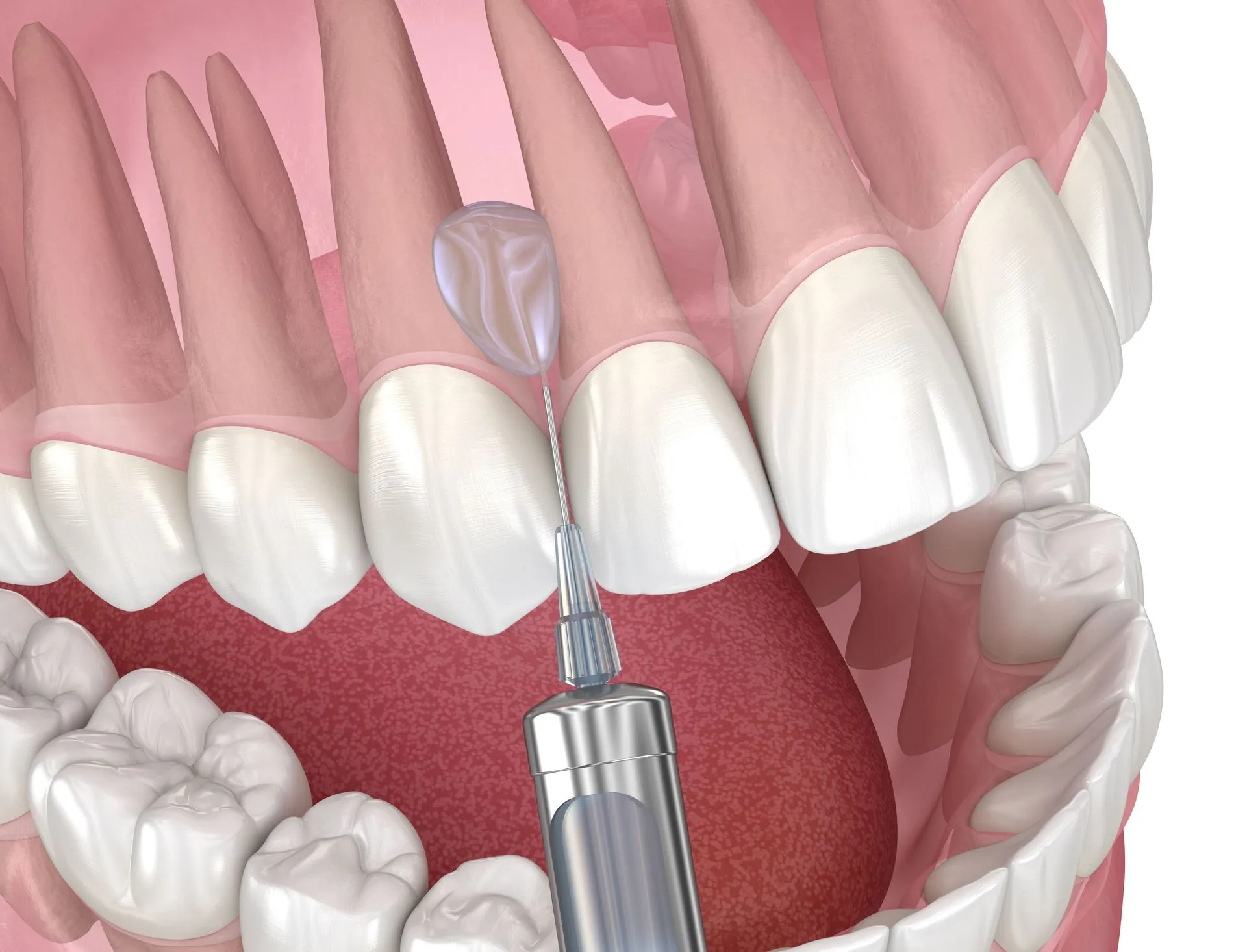
At our dental practice, we prioritize patient comfort and offer various anesthesia options to ensure a painless and stress-free experience. From local anesthesia to nitrous oxide (laughing gas) and even IV sedation, our skilled dental team will discuss the most suitable option for your specific procedure, allowing you to feel at ease throughout your dental treatment.
Bone Grafting
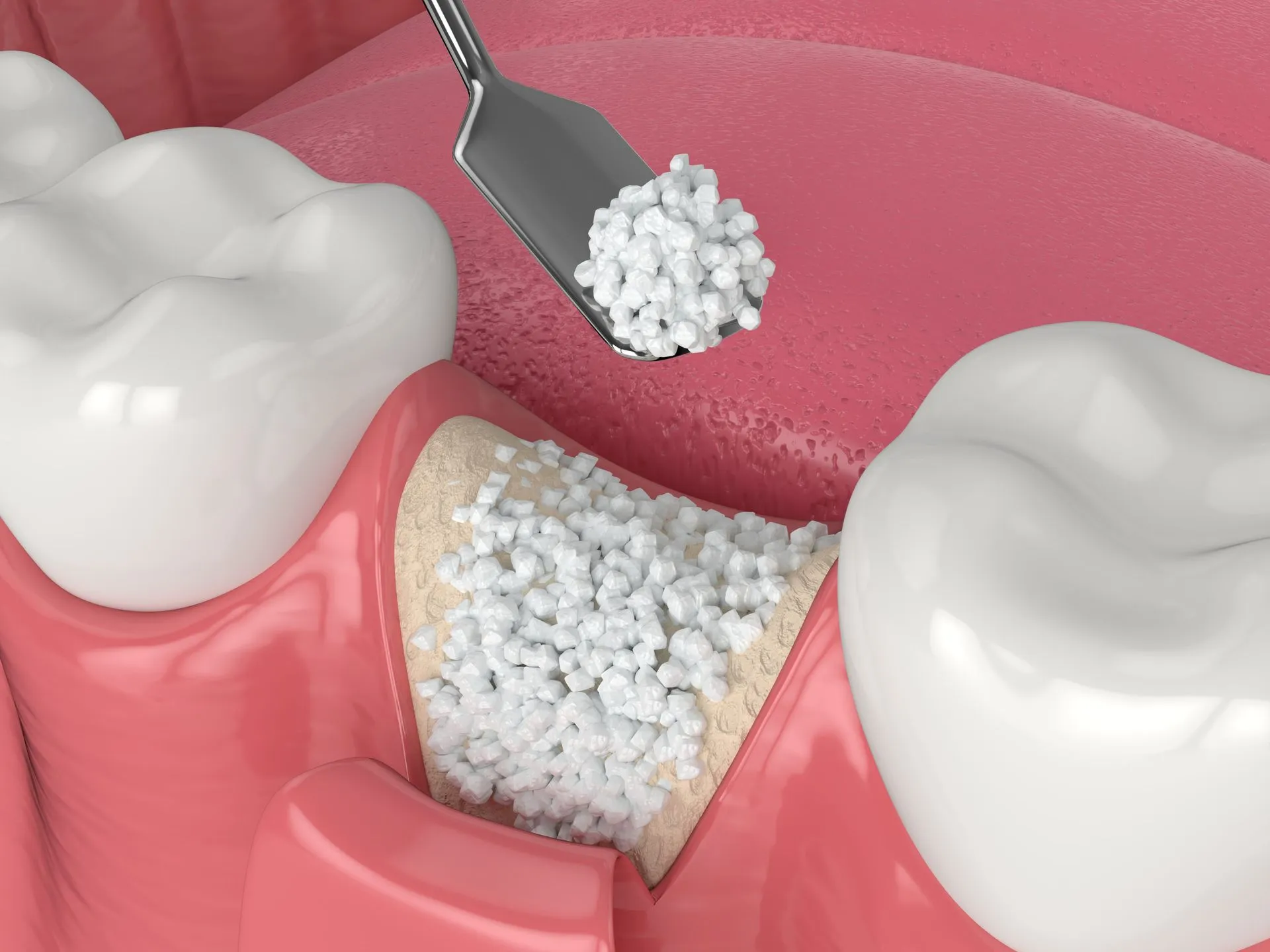
For those who have suffered bone loss and are looking to restore their oral health and smile, bone grafting is a fantastic strengthening solution.
If you’ve been told you need a bone graft before getting dental implants or to correct bone loss, you may be wondering what that means. At A+ Family Dentistry, we’re here to walk you through every step of the journey with warmth, expertise, and clarity.
We proudly serve patients in San Diego, Poway, and Sorrento Valley with personalized care designed to support your long-term oral health.
Crown Lengthening
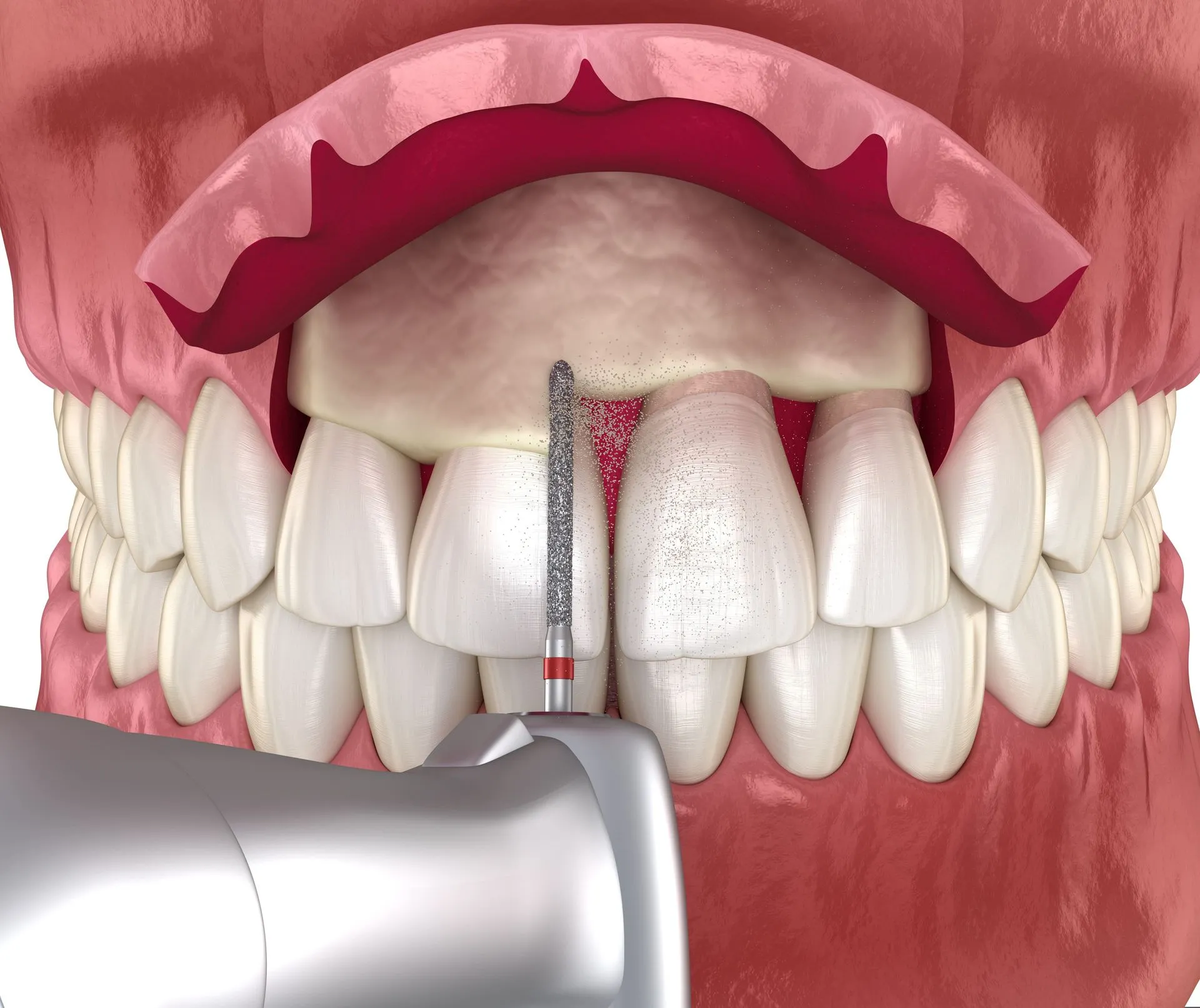
When a smile looks uneven or "gummy" crown lengthening can help improve the appearance of your teeth so that you can smile with confidence!
Do your teeth look too short or feel hidden by excess gum tissue? Or maybe your dentist told you there’s not enough visible tooth structure to place a crown or filling? If so, crown lengthening could be the solution you need.
At A+ Family Dentistry, with locations in San Diego, Poway, and Sorrento Valley, we provide expert crown lengthening to improve your smile’s appearance and support your dental health—whether it’s for cosmetic reasons or restorative needs.
TMJ Treatment
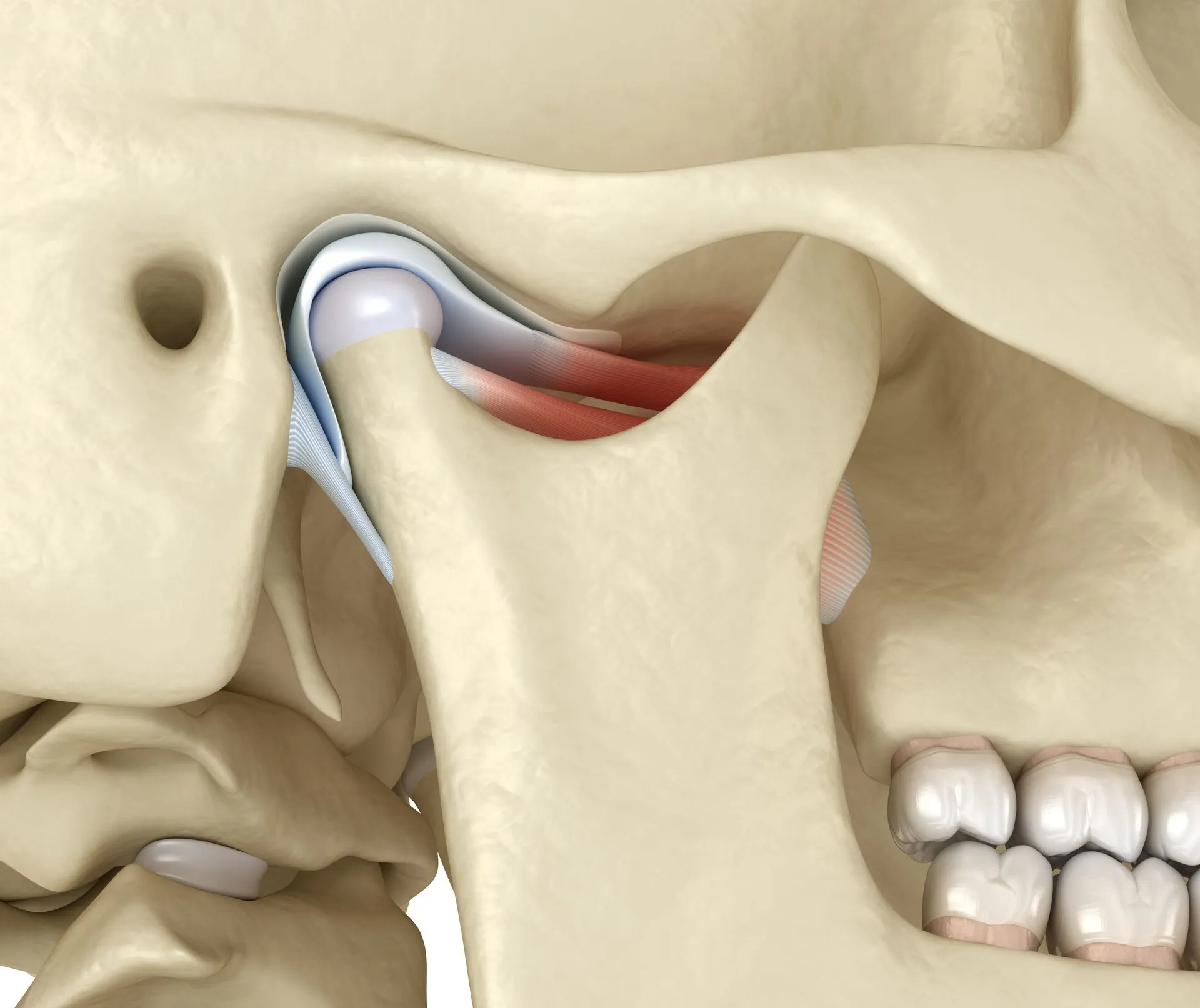
The temporomandibular joint (TMJ) is a complex joint that allows for the movement of the jaw. Problems with this joint can cause pain in and around the jaw, face, and neck. These particular issues can develop due to various reasons, such as trauma to the jaw, misaligned teeth, clenching or grinding of the teeth, or arthritis.
Ridge Augmentation
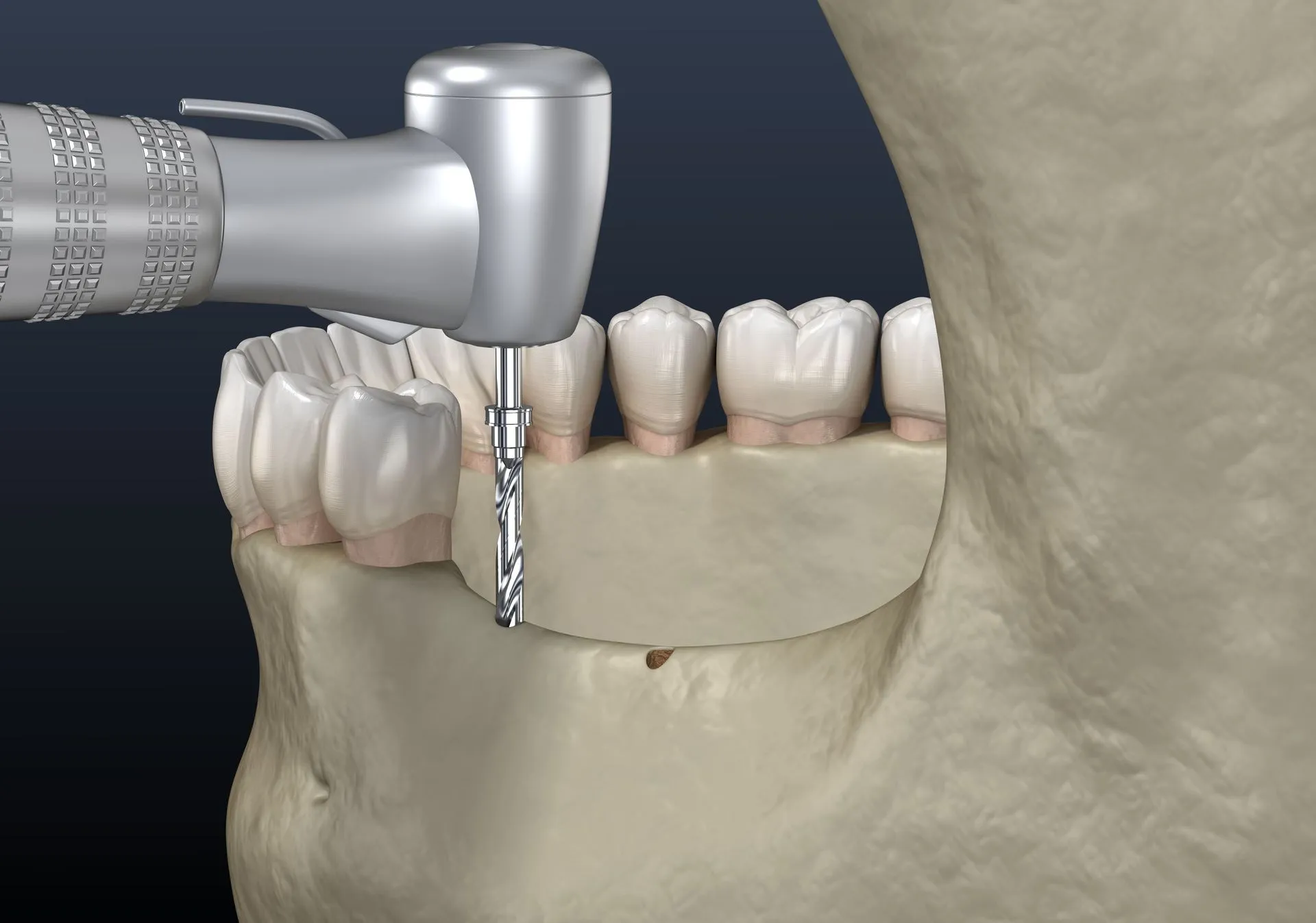
If you've lost a tooth and are looking to restore the strength and aesthetics of your smile, ridge augmentation can help to support your oral health.
Root Canal
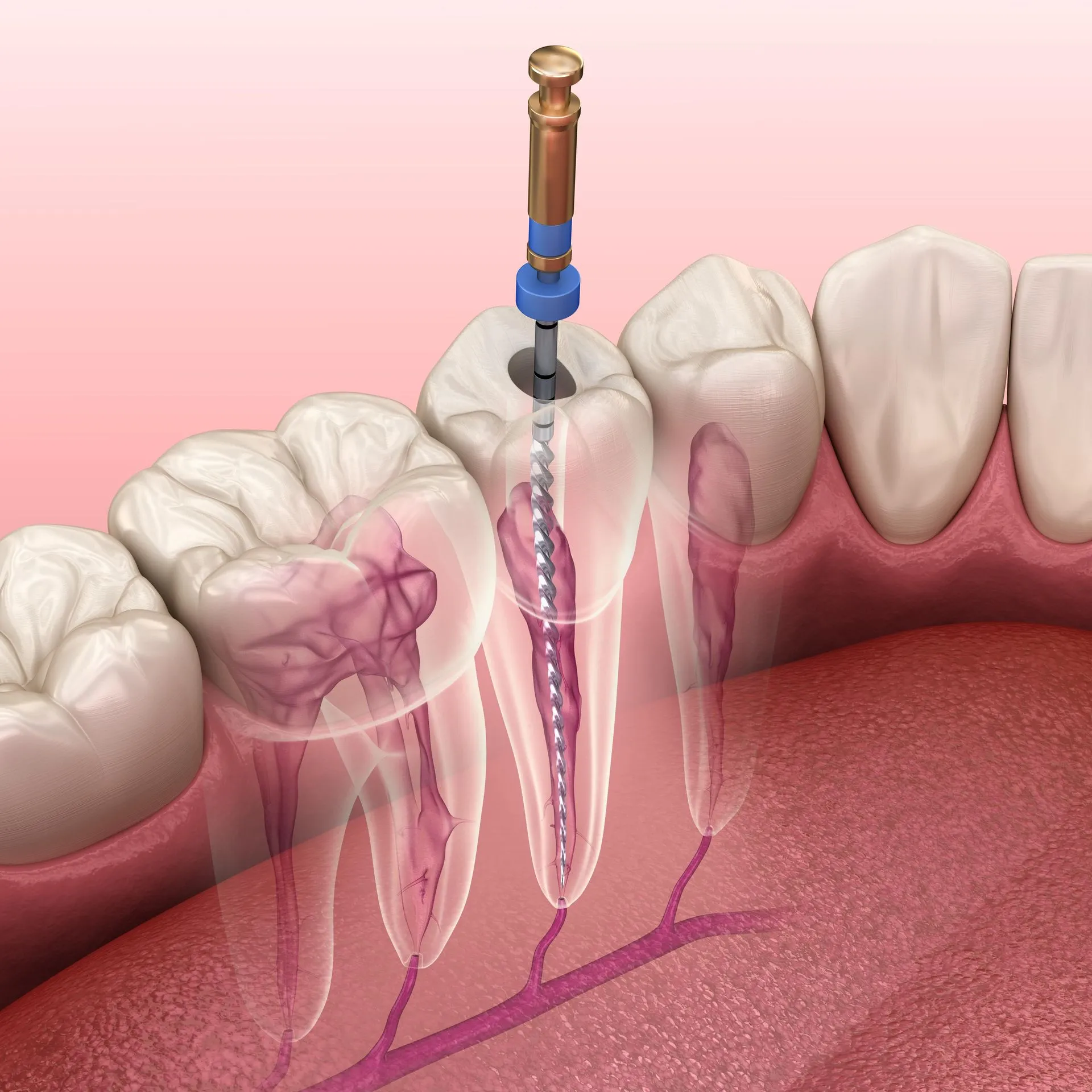
A root canal is a pulp-filled cavity in the root of a tooth. Root canal therapy is a procedure that preserves an infected tooth. It can be completed in one visit at one of our three equipped offices in San Diego County!
Sinus Lift
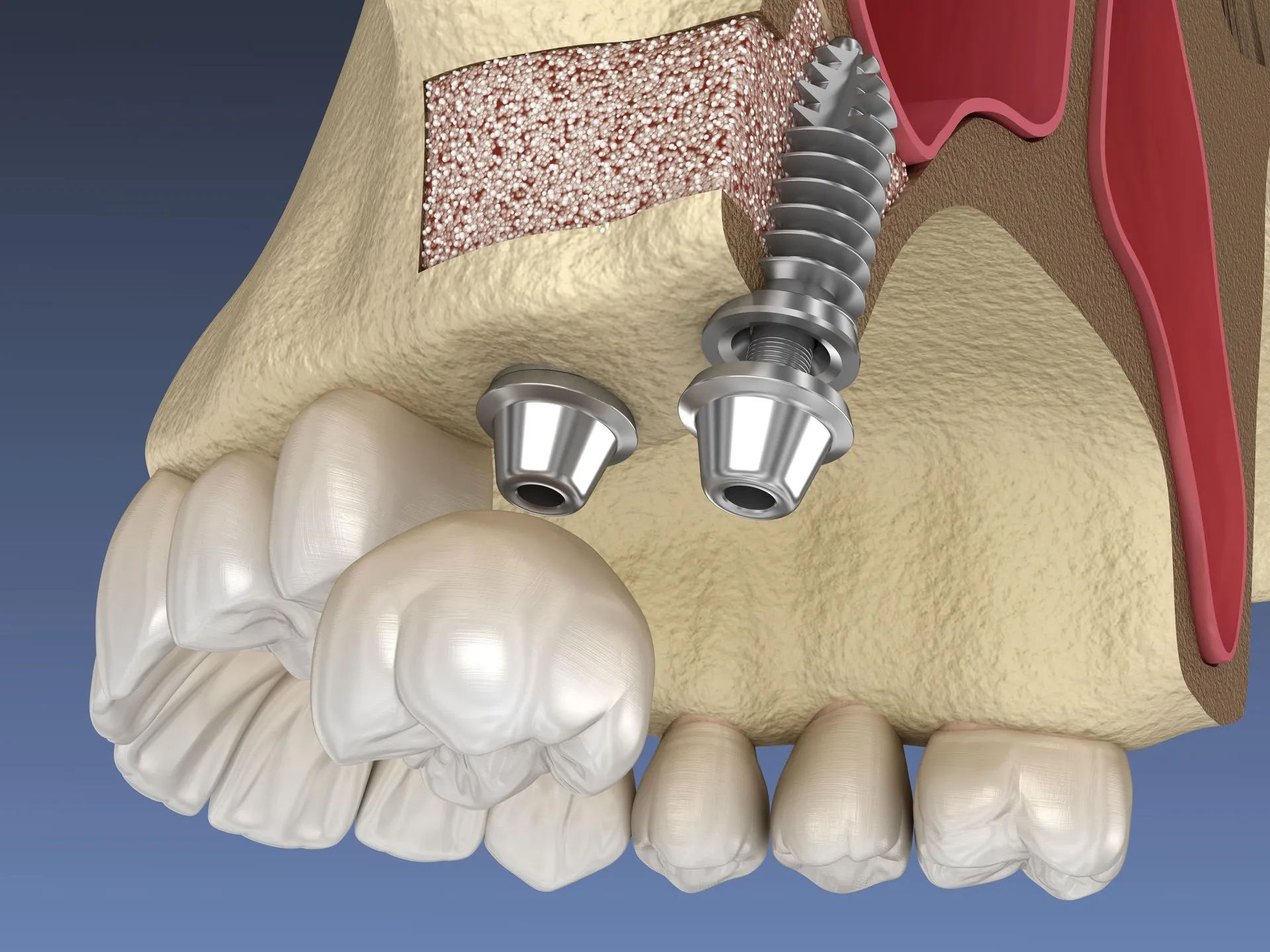
When patients are missing teeth in their upper arch, it can lead to a collapse of the sinuses. Sinus lift procedures can provide support for dental implants and other restorations.
If you’ve been told you need a sinus lift before getting dental implants, you may be wondering what that means and why it’s necessary. At A+ Family Dentistry, we’re committed to helping you understand every step of your dental journey — including procedures like sinus augmentation that can make implant placement possible.
Proudly serving San Diego, Poway, and Sorrento Valley.
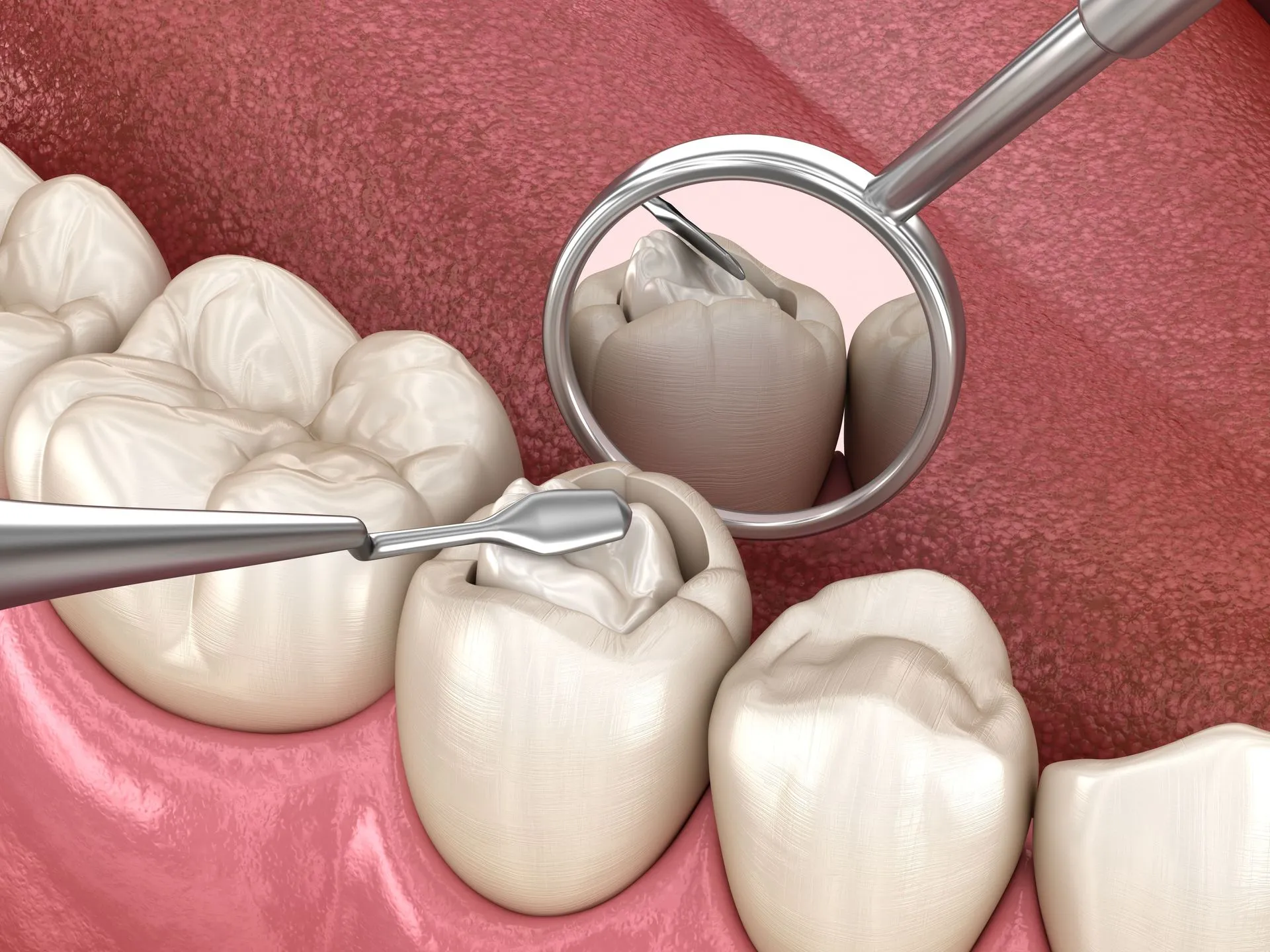
Tooth Decay Treatment
Tooth decay is a common dental problem that occurs when acids produced by bacteria in the mouth erode the tooth's enamel, causing cavities or holes in the tooth. Treatment for tooth decay usually involves removing the decayed part of the tooth and filling the cavity with a dental filling material.
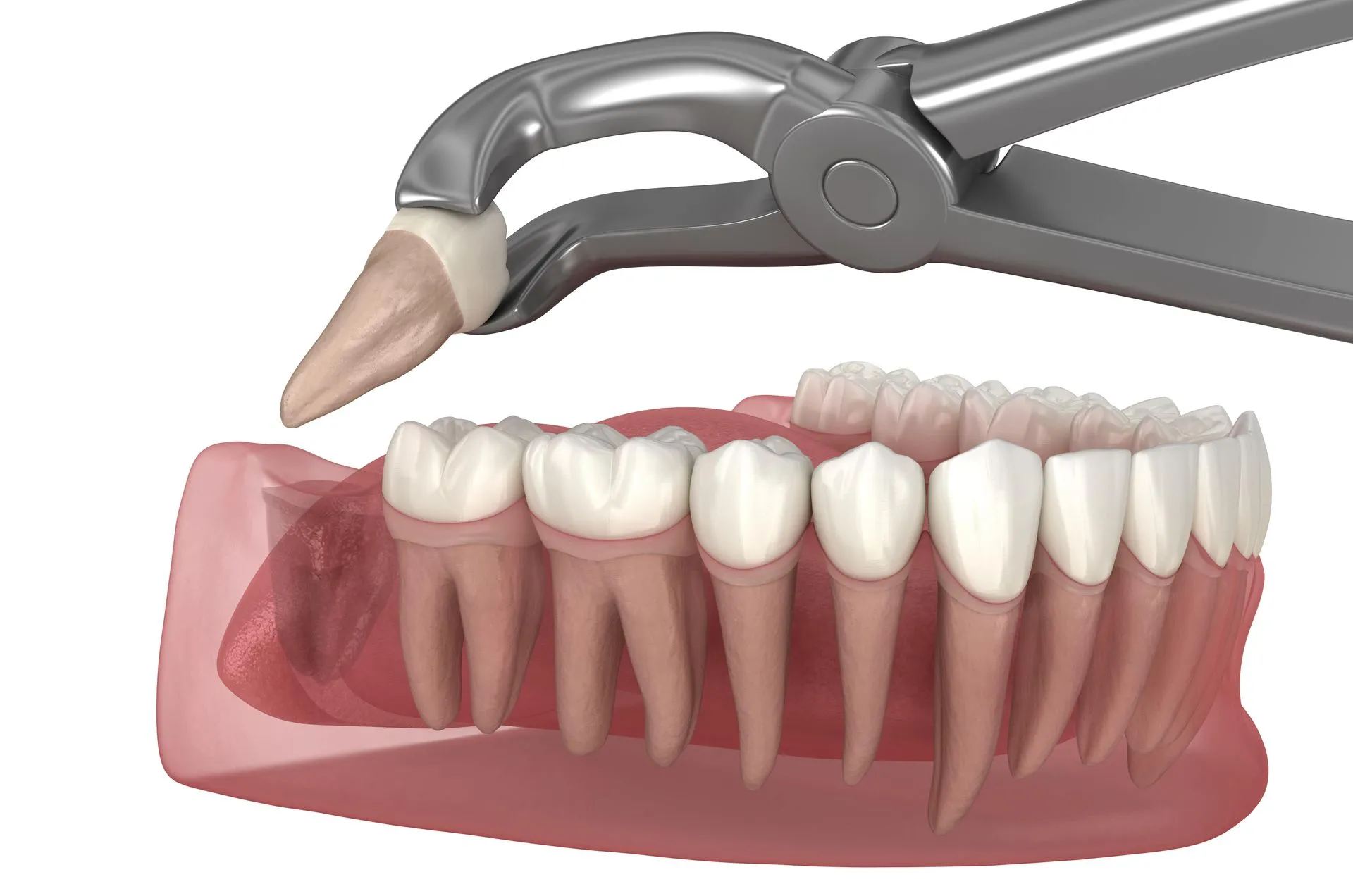
Wisdom Tooth Removal
Wisdom teeth removal is a common surgical procedure performed to remove one or more of the four permanent adult teeth located at the back corners of the mouth to prevent potential oral health problems.

Common Oral Surgery Questions
What is oral surgery?
Oral surgery is a specialized branch of dentistry that focuses on surgical procedures involving the mouth, jaw, and face. It includes procedures such as tooth extraction, dental implant placement, corrective jaw surgery, and treatment of oral diseases or injuries that require surgical intervention.