Dental Restoration or Full Mouth Reconstruction in San Diego: Understanding the Key Differences for Your Smile
Did you know that, according to the NIH, approximately 90% of adults aged 20 to 64 in the U.S. have experienced tooth decay? This widespread issue underscores the importance of understanding dental treatment options.
Whether addressing a single cavity or undertaking a comprehensive overhaul of your oral health, it is essential to know the difference between dental restoration and full mouth reconstruction.
Today, we are taking a closer look into these two approaches – what they involve, when they are appropriate, and how they can transform your smile and overall oral health.
What Is Dental Restoration?
Dental restoration focuses on repairing damaged or decayed teeth. It is one of the most common forms of dental care used today. The treatments are often recommended when you have minor to moderate issues that do not affect your entire mouth.
There are three primary reasons why people seek restorative dental treatments:
- To repair tooth decay or damage
- To improve how a tooth looks and functions
- To prevent further oral health issues
To Repair Tooth Decay or Damage
Tooth decay is a common problem that affects people of all ages. When decay is caught early, a dentist can remove the damaged area and fill it with a suitable material.
Fillings are the most common method for this. For more serious cases, such as broken or severely damaged teeth, crowns or bridges may be used. They help protect what is left of the natural tooth and keep your bite even.
To Improve How a Tooth Looks and Functions
Many dental restoration options also improve how your teeth look. Crowns, veneers, and bonding are used to fix cracks, chips, and discoloration.
These cosmetic dental procedures help restore your smile while ensuring the tooth functions properly. You will be able to chew more easily and speak more clearly with properly shaped teeth.
To Prevent Further Oral Health Issues
Restorative dental treatments are not only for fixing what is wrong now. They also help prevent bigger problems later.
A small filling today can stop decay from spreading. A properly placed crown can stop a weakened tooth from breaking. Treatments like this protect your long-term oral health and reduce the need for more complex procedures in the future.
Dental restoration is usually quick and requires only a few visits. It is ideal for individuals with one or two trouble spots and no significant damage throughout the entire mouth. For more complex issues, you may need a different approach, like full mouth reconstruction.
What Is Full Mouth Reconstruction?
Full mouth reconstruction is a complete approach to repairing and rebuilding the teeth and gums. There are three main reasons someone may need this type of care:
- Extensive tooth loss or damage
- Serious bite and jaw issues
- Chronic pain or poor oral health that affects daily life
Extensive Tooth Loss or Damage
Some people have lost many teeth from decay, trauma, or gum disease. Others may have teeth that are badly worn down or broken.
Full mouth reconstruction uses dental implant options, bridges, and crowns to replace or rebuild those teeth. These changes improve chewing, speaking, and overall appearance. The goal is to bring back comfort and function while enhancing the look of the smile.
Serious Bite and Jaw Issues
If someone’s bite is misaligned, it can cause uneven pressure on the teeth. Over time, this can lead to pain or damage.
Full mouth reconstruction can help correct the bite through orthodontics or reshaping of the teeth. In some cases, surgery may be needed to adjust the jaw. Each treatment plan is tailored to the patient’s individual needs.
Chronic Pain or Poor Oral Health That Affects Daily Life
When teeth, gums, and jaw function poorly, it can affect eating, sleeping, and overall confidence. This type of treatment often includes restorative dental procedures such as root canals, gum therapy, and deep cleaning.
It may also involve cosmetic dental procedures for a complete result. The aim is not only to fix damage but to create long-term oral health improvement.
Key Differences Between Dental Restoration and Full Mouth Reconstruction
While dental restoration and full mouth reconstruction may seem similar, they serve different purposes and treat various levels of oral damage. One focuses on fixing specific teeth. The other rebuilds the whole structure of the mouth.
There are three core ways these treatments differ:
- The number of teeth involved
- The time and process needed
- The cost and long-term planning
The Number of Teeth Involved
Dental restoration is usually used for one or two teeth. A filling, crown, or bridge might fix the issue.
The treatments are helpful when the rest of the mouth is still healthy. Full mouth reconstruction treats several or all of the teeth.
It may include a mix of treatments for decay, damage, or missing teeth. This process often includes dental implant options and other restorative dental treatments.
The Time and Process Needed
Restoration is often quick. Many treatments can be completed in one or two visits. A patient with a small cavity or broken tooth can expect fast results.
Full mouth reconstruction takes longer. It may take months, especially when bone grafts or implants are needed. Each part of the treatment is done in phases to help healing and comfort.
The Cost and Long-Term Planning
Restorative work tends to be less expensive since it addresses more minor issues. It may still involve cosmetic dental procedures, but the scope is smaller.
Full mouth reconstruction typically incurs a higher cost. It requires more appointments, more advanced procedures, and detailed treatment plans. It is an investment in full oral health improvement and overall well-being.
When to Choose Dental Restoration
Dental restoration is a wise choice for people who have minor damage to one or a few teeth. These treatments help address minor issues before they escalate into larger problems.
The process is typically fast and affordable, making it a suitable option for many patients.
There are three common reasons to go with restorative dental treatments:
- To fix a cavity or cracked tooth
- To improve the appearance of a tooth
- To protect a weak or worn-down tooth
To Fix a Cavity or Cracked Tooth
Cavities are one of the most frequent reasons people need dental care. A small area of decay can be cleaned and filled to stop it from spreading.
If a tooth is cracked or chipped, a dentist can use bonding or a crown to rebuild its shape. These repairs help keep your mouth healthy and allow you to chew without pain.
To Improve the Appearance of a Tooth
Cosmetic dental procedures are often part of a dental restoration plan. A discolored or misshaped tooth can affect how you feel when you smile.
Treatments such as veneers, crowns, or tooth-colored fillings can address these issues. This gives your teeth a more even appearance and helps boost your confidence without requiring significant dental work.
To Protect a Weak or Worn-Down Tooth
Some teeth wear down due to grinding or years of use. Others may be weakened after a root canal.
Placing a crown over the tooth helps protect it from breaking. It can make it easier to eat and speak while keeping your natural tooth in place for as long as possible.
Role of Technology in Modern Dental Treatments
Modern tools have changed how dentists plan and complete both simple and complex treatments. From detailed images to better materials, technology has improved the way care is delivered.
Whether a person needs a crown or a complete set of implants, new equipment helps make each step more accurate and comfortable. There are three main ways technology supports dental care today:
- Clear images and digital scans
- Improved planning for treatment
- Faster and more comfortable procedures
Clear Images and Digital Scans
Old methods used messy molds and basic X-rays to visualize the inside of the mouth. Today, dentists use digital impressions and 3D images instead.
The tools help them spot problems early and build a complete picture of your teeth and jaw. This step matters for both cosmetic dental procedures and full mouth reconstruction.
Improved Planning for Treatment
With better images, planning becomes more exact. Dentists can design crowns, veneers, or dental implant options on a computer before starting any work.
It helps avoid surprises and ensures the results meet your needs. It also supports long-term oral health improvement by making sure the bite and alignment are correct.
Faster and More Comfortable Procedures
Some tools enable same-day crowns or shorter healing times. New materials work better with the body and last longer than older ones. These advances help both restorative dental treatments and smile makeover solutions feel less stressful.Patients spend less time in the chair and more time enjoying their results.
Great Smile Makeover Solutions
Whether you need minor repairs or a full mouth reconstruction, the proper treatment can improve your comfort, health, and confidence. By understanding your options and working with a skilled provider, you can take real steps toward a healthier smile that lasts.
At A+ Family Dentistry, we have proudly served San Diego County for over 20 years with general, cosmetic, and emergency dental care all under one roof. Patients trust our experienced, friendly doctors for their clear communication, gentle approach, and attention to individual needs. With 1,700 reviews, our care speaks for itself.
Get in touch today to find out how we can help with your dental needs!

DR. JUSTENE DOAN, DDS
General and Restorative Dentist

DR. JANICE DOAN, DDS
General and Cosmetic Dentist
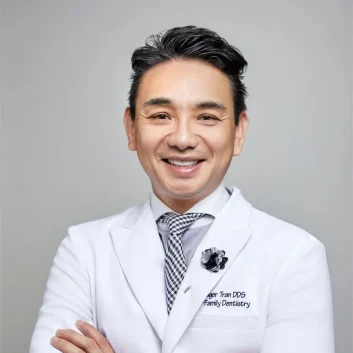
DR. ROGER TRAN, DDS
General, Cosmetic & Restorative Dentist

If you are looking to become a patient of A+ Family Dentistry you can start by searching our website for a location closest to you. We provide patients with and pride ourselves on Advanced Dental Technology, General, Family & Emergency Dentistry, Comfortable, Caring Treatment, Flexible, Non-Insurance Payment Options, Three Convenient Office Locations, and Cost-Saving New Patient Specials. Find a location and take advantage of our new patient special of $165 Exam, X-Ray, and Cleaning for the insured and non insured.